
Always Fresh Coupon News And Promotions With Our Beautiful Blog
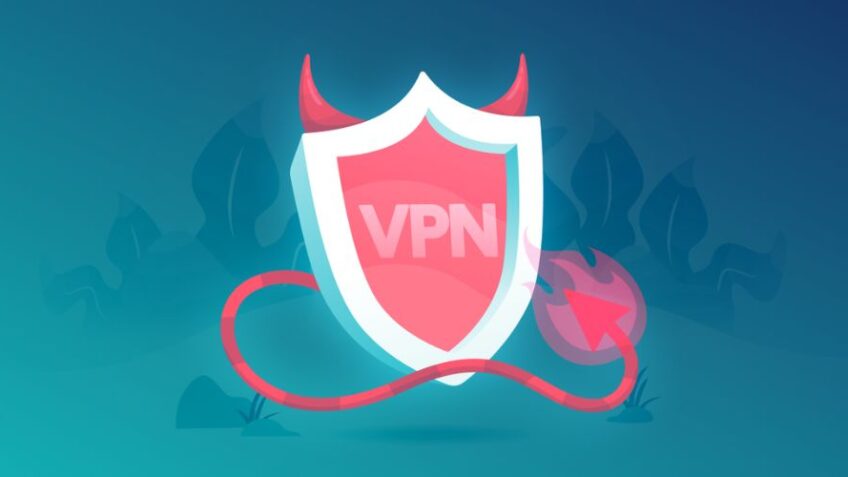
Scams are growing more prevalent as more people use virtual private networks (VPNs) to safeguard their security and privacy when shopping online. Scammers develop new techniques to mislead people into parting with money or personal information.

A lot of free VPNs are frauds. They might corrupt your device with malware, sell your data to outside parties, or just stop functioning properly.
Use VPNs from reliable providers exclusively to steer clear of free VPN scams. There is always a trade-off, so be cautious when using any VPN that makes the promise to be free.

Often, scammers create fake VPN reviews to trick people into registering for their services. Usually, websites and forums that are well-liked by VPN users host these reviews.
Look through reviews from several websites to avoid fake VPN reviews. Consult reputable websites and forums for advice. Negative or too positive reviews are to be avoided as well.

A few VPNs gather an excessive amount of customer data. Your IP address, browsing history, and even payment card details may be included in this data.
Examine the VPN’s privacy statement carefully to avoid those that collect an excessive quantity of data. Make sure you understand what information the VPN is obtaining and how it intends to utilize it.

Certain VPNs record your online activities, meaning they monitor the websites you visit and the things you download. This information may be sold to unaffiliated parties or used for online tracking.
Select a VPN with a no-logging policy to stay away from those that record your activities. The VPN won’t log anything, thus it won’t monitor your activities.

Some VPNs have the potential to reduce internet speed. This is because VPNs may increase overhead by encrypting your data.
Select a VPN, like WireGuard, that uses lightweight encryption technology to avoid VPNs that impede your internet performance. To connect to a server that is nearby, you should also select a VPN that has a wide network of servers.
There are many other VPN spams that you should consider, they are:
You may steer clear of the top 5 VPN scams by using the advice provided above. Any VPN that looks too good to be true should be avoided. For more information visit the official website coupons 24×7.com.
Ans: A VPN scam is a type of online fraud where scammers trick people into subscribing to a VPN service that is either fake or does not work properly. VPN scams can also involve collecting too much data about users, logging their activity, slowing down their internet speed, or being incompatible with their devices.
Ans: VPN scams are common because VPNs are becoming increasingly popular. VPNs are used to protect privacy and security online, so scammers know that there is a large market for them.
Ans: Here are some tips to avoid VPN scams:
